Best Neurologist for Spinal Disc diseases (Cervical & Lumber spine PIVDs)
Prof. (Dr.) Rohit Chhirolya, a distinguished neurologist based in Cuttack, has dedicated over 19 years to the non-surgical management of spine disc diseases. Throughout his career, he has treated approximately 150,000 patients, achieving a remarkable success rate by avoiding surgery in nearly 99% of cases. His holistic approach emphasizes prompt and complete recovery, enabling patients to become medicine-free swiftly and regain their quality of life.
Understanding Prolapsed Intervertebral Disc (PIVD)
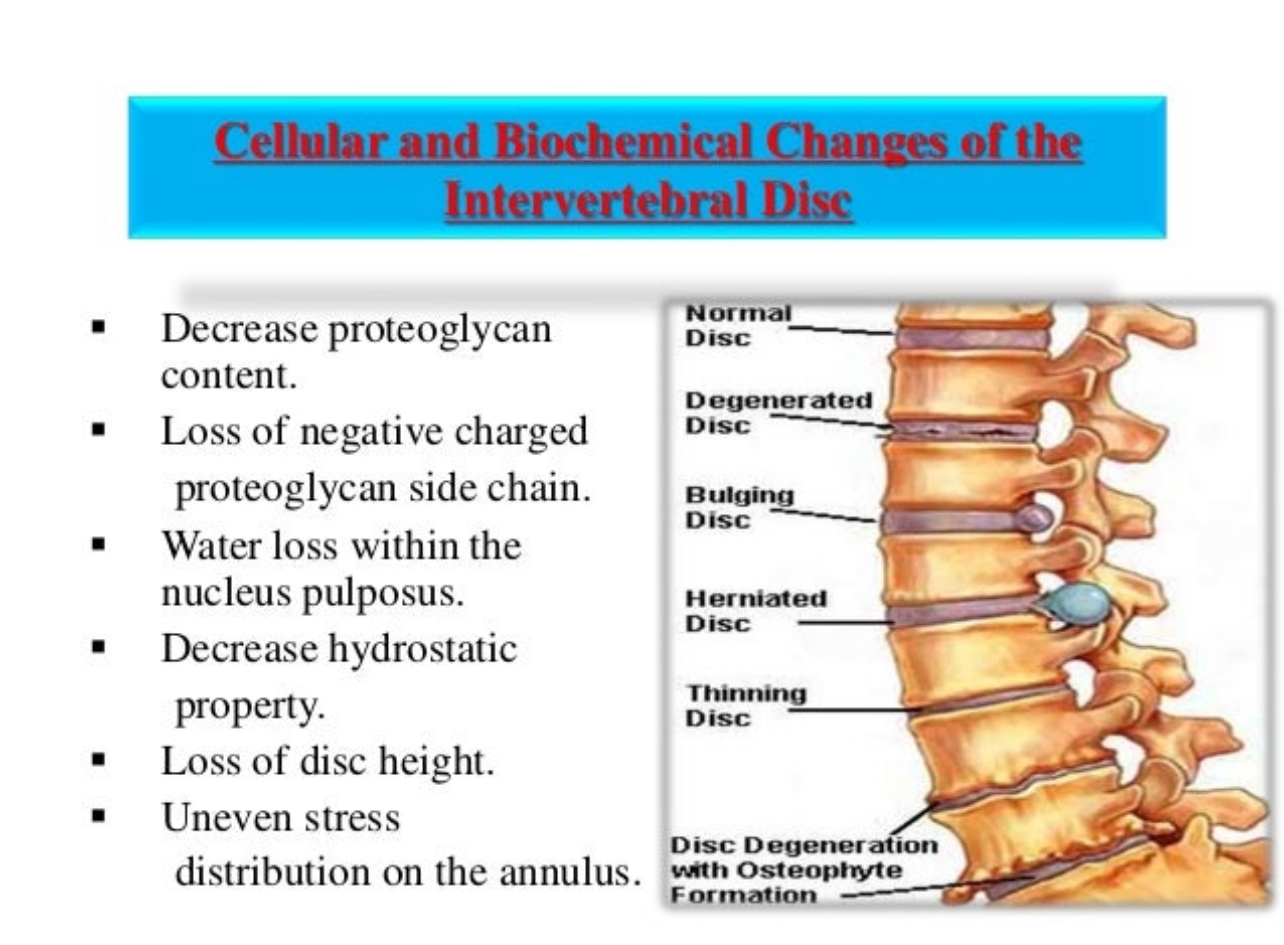
A Prolapsed Intervertebral Disc (PIVD), commonly known as a herniated or slipped disc, occurs when the nucleus pulposus (the soft, gel-like center of the disc) protrudes through a tear in the annulus fibrosus (the disc’s tough outer layer). This condition can affect both the cervical (neck) and lumbar (lower back) regions of the spine, leading to pain, numbness, or weakness due to nerve compression.
Cervical Spine PIVD
In the cervical spine, disc herniation can cause neck pain radiating to the shoulders, arms, and hands. Symptoms may include tingling, numbness, or muscle weakness in these areas. Severe cases can lead to myelopathy, characterized by spinal cord compression, resulting in coordination difficulties and gait disturbances.
Lumbar Spine PIVD
Lumbar disc herniation often presents as lower back pain radiating to the buttocks, legs, and feet—a condition known as sciatica. Patients may experience sharp or burning pain, numbness, or weakness in the lower extremities. In rare instances, significant disc herniation can lead to cauda equina syndrome, a medical emergency requiring immediate attention.
Prof. Chhirolya’s Non-Surgical Approach
Prof. Chhirolya employs a comprehensive, patient-centered strategy to manage PIVD, focusing on:
• Accurate Diagnosis: Utilizing advanced imaging techniques to precisely identify the affected disc and the extent of nerve involvement.
• Personalized Treatment Plans: Developing tailored rehabilitation programs that may include physical therapy, lifestyle modifications, and pain management strategies.
• Patient Education: Empowering patients with knowledge about their condition and involving them actively in their recovery process.
This methodology has enabled countless individuals to avoid surgical interventions, achieve rapid recovery, and discontinue medication use, thereby restoring their normal lives.
Visual Insights into PIVD
For a clearer understanding, here are illustrative images depicting cervical and lumbar disc herniations:
Cervical Disc Prolapse
This MRI Cervical spine sagittal image shows a large C6-C7 disc prolapse.

Lumbar Disc Herniation
This image is a MRI Lumber spine sagittal view showing two herniated discs in the lumbar spine causing nerve root compression at L4-L5 & L5-S1 levels.

Through his expertise and dedication, Prof. (Dr.) Rohit Chhirolya continues to make significant strides in the non-surgical treatment of spine disc diseases, offering hope and healing to countless patients.


Comments
Post a Comment